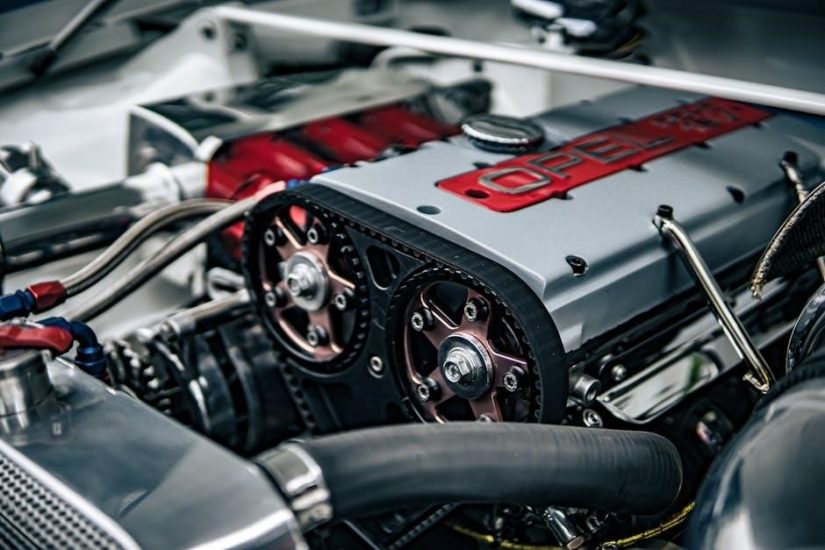
Honda engine performance and longevity depend heavily on precise torque application, often detailed in a tabla de torque or torque chart․
Understanding these specifications, frequently found in PDF service manuals, is crucial for successful repairs and maintenance, ensuring optimal engine function․
Importance of Correct Torque
Achieving the correct torque when assembling a Honda engine is paramount for reliability and performance․ Utilizing a tabla de torque, often available as a PDF from service manuals, ensures components are neither over-tightened – risking thread damage or warping – nor under-tightened, which can lead to loosening and eventual failure․
Precise torque values maintain proper clamping force on gaskets, preventing leaks and ensuring optimal sealing․ Incorrect torque can drastically affect engine compression, lubrication, and overall efficiency․ Referencing the correct tabla de torque para motores Honda is therefore not merely recommended, but essential for any engine work․
Understanding Torque Charts (Tabla de Torque)
A tabla de torque, frequently found as a PDF within Honda service manuals, is a critical resource for engine repair․ These charts list specific torque values (often in lb-ft and Nm) for various engine components․ They may detail multiple stages of tightening – initial, intermediate, and final – for components like head bolts․
Understanding the chart’s organization is key; locate your specific engine model and the component you’re working on․ Pay attention to any notes regarding torque sequences or specific procedures․ A properly interpreted tabla de torque para motores Honda guarantees accurate assembly and prevents potential engine damage․
Honda Engine Torque Chart Basics
Honda torque charts, often available as PDF documents, utilize standardized units like lb-ft and Nm․ Accurate interpretation of these tabla de torque values is essential․
Units of Measurement (lb-ft, Nm)
Honda torque specifications, detailed within a tabla de torque – frequently accessed as a PDF – are presented using two primary units: pound-feet (lb-ft) and Newton-meters (Nm)․ Understanding both is vital, as service manuals may alternate between them․
Lb-ft, common in the US, represents the force required to turn a bolt tightened with one pound of force at a distance of one foot․ Nm, the metric standard, measures torque as the force in Newtons acting at a distance of one meter․ Conversion is necessary when charts display mixed units․ Accurate torque application, guided by these values from the tabla de torque, prevents damage and ensures proper engine function․
Reading a Honda Torque Table
A Honda tabla de torque, often found as a PDF within service manuals, typically lists components in the first column․ Subsequent columns detail torque values for different stages – initial, intermediate, and final tightening – if applicable․ Pay close attention to the specified sequence; tightening bolts in the wrong order can lead to warping or uneven pressure․
Values are presented in lb-ft or Nm․ Some tables include clearance specifications (e․g․, 0․08 ― 0․12 mm for bearing preload) alongside torque․ Always verify you’re referencing the correct tabla de torque for your specific engine model and year to avoid errors․
Locating the Correct Chart for Your Engine
Finding the precise tabla de torque for your Honda engine is paramount․ Official Honda service manuals, often available as PDF downloads, are the most reliable source․ These manuals categorize specifications by engine family and model year․ Online Honda forums and communities can also provide links to relevant charts, but verify their accuracy․
When searching, specify your engine code (e․g․, D16Y8, K20Z3) for precise results․ Third-party websites offering torque specs should be cross-referenced with official Honda documentation to ensure correctness․ Incorrect charts can lead to significant engine damage․
Specific Honda Engine Torque Specifications
Honda engines require varied torque settings; a tabla de torque (torque chart) – often a PDF – details these values․
Precise specifications differ significantly between Civic, Accord, and CR-V models․
Torque Specifications for Honda Civic Engines
Honda Civic torque specifications vary considerably based on engine type and year․ Accessing a detailed tabla de torque, typically available as a PDF within the official service manual, is paramount for accurate work․ For example, main bearing bolts often require 76 lb-pie of torque․
Valve adjustments, utilizing the 10mm adjuster, demand precision – specifications fall around 18 lb-pie․ Cylinder head bolt torque follows a multi-stage process, starting with lower values and progressively increasing․ Always consult the correct PDF chart for your specific Civic engine to avoid damage or performance issues․ Ignoring these values can lead to significant engine problems․
Torque Specifications for Honda Accord Engines
Honda Accord engine torque values, detailed in a tabla de torque PDF, are critical for maintaining engine integrity․ Specifications differ significantly depending on the Accord’s year and engine configuration․ For instance, flywheel bolts commonly require 76 lb-pie of torque to ensure secure attachment․
Cylinder head bolts necessitate a precise multi-stage tightening sequence, outlined in the service manual’s PDF․ Valve adjustments, using the 10mm adjuster, typically fall around 18 lb-pie․ Always verify the correct torque values from the appropriate PDF chart to prevent damage․ Incorrect torque can lead to gasket failure and severe engine complications․
Torque Specifications for Honda CR-V Engines
Accessing a tabla de torque PDF is essential when working on Honda CR-V engines, as specifications vary by model year and engine type․ Critical components like the flywheel demand precise torque – often around 76 lb-pie – to prevent loosening during operation․
Cylinder head bolts require a specific tightening sequence, detailed within the service manual’s PDF documentation․ Valve adjustments, utilizing the 10mm adjuster, generally fall within the 18 lb-pie range․ Always consult the correct PDF chart for your specific CR-V to avoid under or over-tightening, which can compromise engine performance and longevity;

Key Engine Components & Torque Values
Honda engine rebuilds and maintenance rely on precise torque values for components like head bolts and connecting rods, often detailed in a tabla de torque PDF․
Cylinder Head Bolts Torque
Honda cylinder head bolt torque specifications are critically important for maintaining proper engine compression and preventing leaks․ These values vary significantly depending on the engine model and year, making a reliable tabla de torque PDF essential․ Typically, Honda employs a multi-stage torque process, involving initial tightening, followed by angle tightening․
For example, some engines require an initial torque of 22 lb-ft, then an additional angle turn of 90 degrees, followed by another angle turn of 90 degrees․ Ignoring these precise sequences, as outlined in the PDF, can lead to warped cylinder heads or blown head gaskets․ Always consult the correct tabla de torque for your specific Honda engine․
Connecting Rod Bolts Torque
Honda connecting rod bolt torque is a vital specification directly impacting engine reliability and performance․ A tabla de torque PDF provides the precise values needed to secure the connecting rods to the crankshaft, preventing catastrophic engine failure․ Typically, these bolts are tightened to a specific torque value, often around 33-39 lb-ft, but this varies greatly․
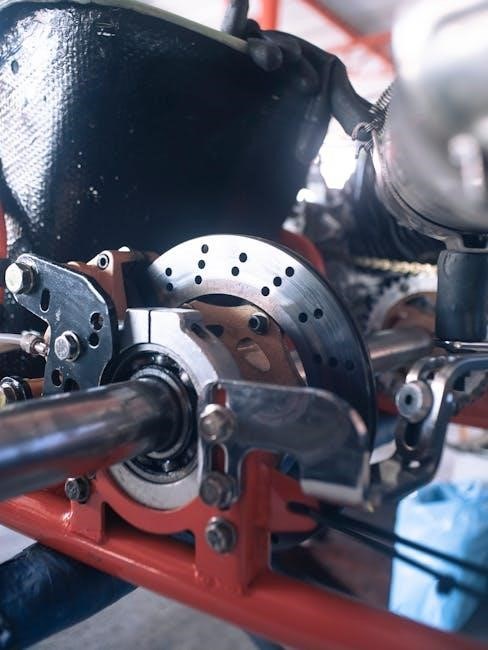
Many Honda engines also require an additional angle tightening step after the initial torque is achieved, ensuring proper clamping force․ Referencing the correct tabla de torque from a service manual PDF is crucial, as incorrect torque can lead to rod bearing failure or bolt stretching․ Always use a calibrated torque wrench!
Main Bearing Bolts Torque
Honda main bearing bolt torque specifications are paramount for maintaining crankshaft stability and preventing engine knock․ A detailed tabla de torque PDF, usually found within the official service manual, outlines the precise tightening sequence and values․ These values often range between 76-88 lb-ft, but are engine-specific․
Proper torque application, guided by the tabla de torque, ensures adequate clamping force without distorting the bearing caps․ Many Honda engines employ a multi-stage tightening process, involving initial torque followed by angle tightening․ Ignoring this sequence or using incorrect values, as detailed in the PDF, can lead to severe engine damage․
Flywheel/Flexplate Bolts Torque
Securing the flywheel or flexplate correctly is vital for Honda engine operation, and the tabla de torque PDF provides the necessary specifications․ Typically, these bolts require a substantial torque, often around 47-59 lb-ft, but this varies significantly by engine model․ The PDF will detail the specific value for your application․
A proper tightening sequence, as illustrated in the tabla de torque, is crucial to prevent warping or cracking of the flywheel/flexplate․ Using a torque wrench calibrated to the correct units (lb-ft or Nm) is essential․ Incorrect torque, as outlined in the Honda service manual PDF, can lead to vibrations and eventual component failure․
Valve Adjustment Torque (10mm Adjuster)
Precise valve lash adjustment is critical for Honda engine performance, and the tabla de torque PDF outlines the correct specifications for the 10mm adjuster nuts․ Typically, these are tightened to a relatively low torque, often around 18 lb-ft, but always confirm with your engine’s specific PDF chart․
The tabla de torque will also detail the adjustment procedure, including the engine’s position and temperature requirements․ Incorrect valve lash, stemming from improper torque, can cause noise, reduced power, and even engine damage․ Referencing the official Honda service manual PDF ensures accurate and reliable adjustments․

Tools Required for Accurate Torque Application
Applying torque values from a tabla de torque PDF demands precision; essential tools include calibrated torque wrenches, socket sets, and potentially specialized Honda tools․
Torque Wrenches (Types & Calibration)
Torque wrenches are paramount when referencing a tabla de torque para motores Honda PDF․ Several types exist, including clicker, beam, and digital wrenches, each offering varying accuracy and features․ Clicker wrenches are popular for their tactile and audible feedback upon reaching the set torque․ Beam-style wrenches visually indicate torque, while digital wrenches provide precise readings and data logging capabilities․
Crucially, regular calibration is essential – at least annually, or more frequently with heavy use – to maintain accuracy․ An uncalibrated wrench can lead to over- or under-torquing, potentially causing engine damage․ Calibration services are readily available, ensuring your wrench consistently aligns with the specifications detailed in the Honda torque charts․
Socket Sets & Extensions
Complementing a calibrated torque wrench, a comprehensive socket set is vital when utilizing a tabla de torque para motores Honda PDF․ Ensure your set includes both metric and standard sizes, covering the range specified in the torque charts․ Six-point sockets are preferred over twelve-point, as they provide a more secure grip and reduce the risk of rounding fasteners․
Extensions are often necessary to reach recessed bolts․ However, be mindful that extensions can introduce slight inaccuracies in torque readings․ High-quality extensions minimize this effect․ Always factor in the extension’s weight and length when applying torque, referencing the Honda specifications for precise results․
Specialized Honda Tools
While a standard toolkit is useful, certain Honda engines require specialized tools for accurate torque application, as detailed in a tabla de torque para motores Honda PDF․ These may include specific adapters for valve adjustments (like the 10mm adjuster) or unique sockets for particular bolt heads․ Ignoring these requirements can lead to improper tightening and potential engine damage․
Accessing the official Honda service manual (often in PDF format) reveals these tool necessities․ Investing in these specialized tools ensures adherence to factory specifications, maximizing engine reliability and performance․ Using generic tools where specific ones are mandated compromises accuracy and risks costly repairs․

Common Mistakes to Avoid When Torquing
Honda torque specifications, found in a tabla de torque PDF, must be followed precisely; over or under-torquing, or using incorrect values, can cause significant engine issues․
Over-Torquing & Under-Torquing
Honda engine components are engineered to withstand specific clamping forces, detailed within a tabla de torque PDF․ Over-torquing stretches bolts beyond their yield strength, leading to failure and potential engine damage․ Conversely, under-torquing doesn’t provide sufficient clamping force, risking leaks, component movement, and eventual failure․
Referencing the correct tabla de torque is paramount․ Ignoring specified torque values, even slightly, can compromise engine integrity․ Always use a calibrated torque wrench and follow the recommended tightening sequence, as outlined in the Honda service manual’s PDF version, to prevent these critical errors․
Using Incorrect Torque Values
Employing inaccurate torque specifications, deviating from the tabla de torque found in Honda’s service manual PDF, can have severe consequences․ Different Honda engines, even within the same model year, often require unique torque settings for identical components․ Utilizing a generic or misidentified torque value risks damaging threads, warping surfaces, and compromising the integrity of critical engine parts․
Always verify the correct tabla de torque for your specific engine code before commencing any repair․ The Honda service manual PDF provides detailed charts, ensuring accurate application and preventing costly mistakes․ Ignoring this step can lead to premature failure․
Ignoring Torque Sequence
The tabla de torque within a Honda service manual PDF doesn’t just list values; it meticulously outlines the correct tightening sequence․ This sequence is vital for even distribution of clamping force, preventing distortion and ensuring a proper seal․ Disregarding this prescribed order, particularly for components like cylinder heads or main bearing caps, can lead to leaks, warping, and catastrophic engine damage․
Honda engineers design these sequences to account for thermal expansion and material properties․ Always consult the PDF and follow the specified pattern, often involving multiple passes with increasing torque, to achieve optimal results and long-term reliability․

Finding Honda Torque Specs Online (PDF Resources)
Honda torque specifications, often presented in a tabla de torque format, are readily available in official service manuals downloadable as PDF files․
Official Honda Service Manuals
Honda provides comprehensive service manuals, often available as PDF downloads, which are the most reliable source for accurate torque specifications․ These manuals contain detailed tabla de torque information for every engine component, categorized by model and year․
Accessing these resources typically requires a subscription or a one-time purchase fee, but the investment ensures you have the correct data for your specific Honda engine․ The manuals outline precise tightening sequences and values, crucial for preventing damage and maintaining optimal performance․ Always prioritize official Honda documentation over third-party sources when seeking torque specifications․
Online Honda Forums & Communities
Honda enthusiasts frequently share valuable information, including tabla de torque data, on online forums and communities․ While these resources can be helpful, exercise caution and verify any specifications found with official Honda documentation․
Users often upload scanned PDF versions of service manuals or share torque values they’ve successfully used․ However, information accuracy isn’t always guaranteed․ Cross-reference forum findings with official sources to ensure correct tightening procedures․ These communities can offer practical advice and insights, but always prioritize verified data for critical engine work․
Third-Party Torque Specification Websites
Numerous websites compile torque specifications for various vehicles, including Honda engines, often offering downloadable PDF charts resembling a tabla de torque․ These can be convenient, but reliability varies significantly․ Always assess the source’s credibility and compare data across multiple sites․
Some websites aggregate information from service manuals, while others rely on user submissions․ Discrepancies are common, so verifying specifications against official Honda service manuals is paramount․ Use these resources as a starting point, but never solely depend on them for critical torque values impacting engine performance and safety․

Torque Specifications for Gaskets
Honda gasket torque values, detailed in a tabla de torque or PDF manual, are critical for sealing․ Proper torque prevents leaks and engine damage․
Head Gasket Torque
Honda head gasket torque specifications are paramount for maintaining cylinder compression and preventing coolant or oil leaks․ These values, meticulously outlined in a tabla de torque – often available as a PDF from official service manuals – typically involve a multi-stage tightening process․ Initial torque is applied to uniformly seat the gasket, followed by subsequent stages to achieve the final clamping force․
Ignoring these precise sequences and values, found within the PDF, can lead to gasket failure, head warping, or even catastrophic engine damage․ Variations exist based on engine type and year, so referencing the correct tabla de torque is essential․ Always use a calibrated torque wrench for accurate application․
Valve Cover Gasket Torque
Honda valve cover gasket torque specifications, detailed in a tabla de torque – frequently accessible as a PDF document – are critical for preventing oil leaks and maintaining proper valve train operation․ Unlike head bolts, valve cover bolts generally require lower torque values, typically specified in lb-ft or Nm․
The tabla de torque will often illustrate a specific tightening pattern to ensure even gasket compression․ Over-tightening can damage the valve cover, while under-tightening results in leaks․ Always consult the correct PDF for your specific Honda engine model, as specifications vary․ A calibrated torque wrench is vital for accurate results․

Additional Considerations
Referencing a tabla de torque PDF is vital, but remember engine type impacts procedures; temperature affects metal expansion, influencing torque accuracy for Honda engines․
Torqueing Procedures for Different Engine Types
Honda employs diverse engine architectures, necessitating tailored torqueing approaches․ A tabla de torque PDF will reveal variations between inline-four, V6, and even smaller displacement engines․ For instance, older engines might utilize a multi-stage torque sequence for cylinder head bolts, while newer designs may specify torque-to-yield procedures․
Understanding these differences is paramount․ Ignoring engine-specific instructions—detailed within the PDF—can lead to gasket failure, warped cylinder heads, or even catastrophic engine damage․ Always cross-reference the tabla de torque with the specific engine code and model year to ensure accurate application․ Proper sequencing, as outlined in the manual, is equally critical for even pressure distribution․
Impact of Temperature on Torque
Engine temperature significantly influences torque readings; a tabla de torque PDF rarely explicitly details this, but it’s vital․ Torque specifications are generally defined for engines at standard operating temperature (around 80°C/176°F)․ Applying torque to a cold engine can result in under-tightening as the metal expands when heated․
Conversely, torquing a hot engine risks over-tightening upon cooling․ Ideally, allow the engine to reach operating temperature before final torque application, referencing the tabla de torque․ If this isn’t feasible, consult the PDF for guidance on temperature compensation or perform the final torque after the engine has stabilized at room temperature․