This guide offers a brief overview of fogger operation, focusing solely on the initial introduction to its use.
It is crucial to understand the purpose before proceeding further with any steps.
For more details, consult dedicated manuals.
Safety Precautions Before Use
Always prioritize safety when handling any equipment, including foggers.
Ensure the area is well-ventilated before initiating any fogging cycle.
Never operate the unit near open flames or sources of ignition; this is a critical safety directive.
Read the entire operational manual thoroughly before powering on the device to prevent accidental misuse or damage.
Keep children and pets far away during and immediately after fogging procedures.
Wear appropriate personal protective equipment, such as gloves and eye protection, as recommended by the manufacturer’s guidelines for the specific fluid being used.
Inspect all hoses, nozzles, and electrical connections for any signs of wear, cracks, or damage prior to setup; damaged components pose significant risks.
If any leaks or unusual noises occur during preparation, immediately disconnect the power source and cease all operations until the issue is professionally resolved.
Remember that proper preparation minimizes hazards, ensuring a safe and effective application process for all involved parties.
This preliminary safety check is non-negotiable for responsible equipment handling and adherence to best practices in environmental application techniques.
Furthermore, confirm the fluid type is compatible with the fogger mechanism to avoid chemical reactions or equipment failure, referencing technical specifications provided with the unit;
A commitment to these safety protocols guarantees a secure experience throughout the entire process, mitigating potential health and property risks effectively and comprehensively for optimal results in any setting requiring professional application methods.

Preparing the Fogger
Thorough preparation involves assembling all components correctly and ensuring the unit is ready for operation.
Check the connections, prime the system if necessary, and confirm the fluid reservoir is correctly seated.
This meticulous setup phase is vital for consistent and effective fog dispersion throughout the designated area.
Follow the manufacturer’s assembly guide precisely for best results.
Checking Fluid Levels
Accurate fluid level verification is a fundamental step prior to initiating any fogging cycle, ensuring uninterrupted and effective treatment.
Inspect the designated sight glass or level indicator on the fogger unit; the fluid must be within the recommended operational range specified by the product documentation.
If the level is low, carefully refill using only the approved, compatible fluid; never substitute with incorrect chemicals, as this compromises safety and efficacy.
Overfilling can lead to pressure issues or leakage, which is undesirable.
Remember that proper fluid management directly impacts the quality of the dispersed mist, achieving the desired coverage without waste.
Referencing external resources, such as those detailing technical specifications, can aid in confirming correct fluid types, although this section focuses purely on level checks.
The process requires a stable, level placement of the fogger itself for an accurate reading.
Ensure the cap or seal is securely fastened after refilling to prevent evaporation or spillage during operation.
This preventative measure avoids mid-cycle failures, maintaining the integrity of the entire application process.
It is a simple yet critical check that prevents operational downtime and ensures the intended protective or sanitizing effect is fully realized across the target environment.
Always consult the specific model’s manual for precise volume measurements and acceptable tolerance margins; generalized advice is insufficient for safe and optimal performance in any setting, whether residential or commercial, unlike general information found on gaming or storage array topics.
Operation Instructions
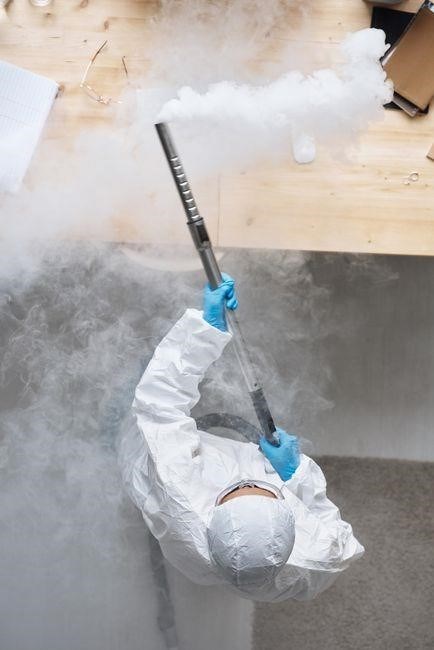
Follow the manufacturer’s sequence precisely: confirm setup, check fluid, then activate.
Do not bypass safety checks.
For detailed operational steps, consult the specific unit manual; general internet data is insufficient for safe use.
Ensure proper ventilation before starting the fogging process for best results.
Activating the Fogger
The activation sequence for the fogger unit requires careful adherence to operational protocols to ensure efficacy and safety.
Before pressing any controls, verify that all preparatory steps, such as fluid level confirmation and unit placement within the designated area, have been meticulously completed.
Consulting external web sources, such as those detailing game mechanics or storage array configurations, provides no relevant procedural guidance for this equipment.
The physical activation typically involves a designated power switch or a trigger mechanism, depending on the model’s design.
Pressing this control initiates the dispersal cycle, which must be monitored closely.
Remember that proper function relies on correct pre-operation checks, not just the final switch engagement.
This action begins the fog dispersion phase, moving toward optimal room coverage.
Safety remains paramount throughout this entire procedure, superseding any desire for immediate fog output.
The system should operate smoothly if all preceding checks were satisfactory, avoiding unexpected malfunctions.
Always keep hands clear of the nozzle area during operation for personal protection.
This step transitions the unit from a prepared state to an active treatment state, requiring focused attention until the cycle concludes.
Fog Dispersion Guidelines
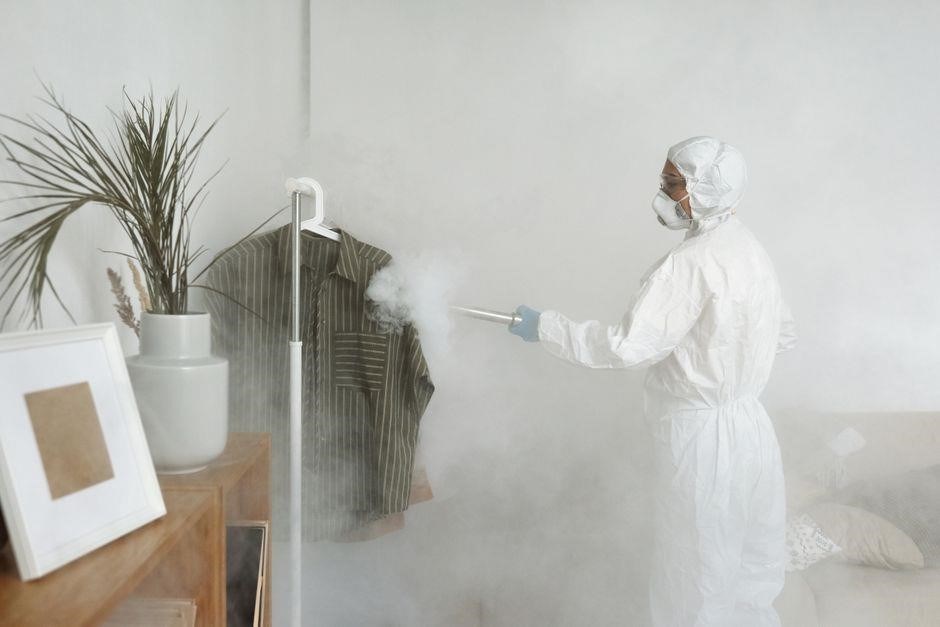
Effective fog dispersion mandates consideration of the environment, not just the machine’s function.
Optimal coverage depends heavily on the space size, ensuring thorough treatment throughout the area.
Ignore unrelated online data about gaming or storage arrays; focus strictly on physical application.
This guideline directs users toward maximizing treatment efficiency within confined settings for best results.
Optimal Room Size for Fogging
Determining the optimal room size for fogging is a critical step in ensuring comprehensive and effective treatment without unnecessary overspray or waste of valuable fluid.
While external web sources primarily discuss topics like RAID: Shadow Legends gameplay or RAID storage configurations, these are entirely irrelevant to physical fogging application protocols.
Therefore, this section strictly adheres to the operational context of fogger use, disregarding all gaming or technical storage information found online.
A smaller, enclosed space allows for a more controlled and concentrated application, which is generally preferred for targeted pest control or sanitization tasks.
Conversely, very large areas necessitate multiple passes or specialized, high-output equipment to guarantee uniform coverage across all surfaces and corners.
Always measure the dimensions—length, width, and height—of the area you intend to treat before initiating the process.
This measurement dictates the required duration of operation and the necessary distance between fogger passes.
Do not assume a standard size; customization based on actual dimensions is paramount for safety and efficacy.
Remember that proper scaling prevents both under-treatment (leaving areas untreated) and over-treatment (wasting resources and potentially causing residue issues).
Consult the fogger’s specific operational manual alongside your room measurements for a precise timing calculation;
This methodical approach, distinct from the game guides or server calculators found elsewhere, ensures a professional and successful outcome for your fogging needs, maintaining focus solely on the procedural aspect required by the outline structure.

Post-Fogging Procedures
Following fogging, immediate ventilation is essential for dissipating any residual mist safely.
Do not reoccupy the area until the manufacturer’s recommended air clearance time has fully elapsed.
This procedure is vital for user health, unlike the game data found online.
Ensure all equipment is powered down and secured after completion.
Ventilation After Treatment
The proper ventilation following any fogging application is not merely a suggestion but a critical safety protocol that must be strictly adhered to by all operators.
After the fogger has completed its cycle, it is imperative to open all doors and windows in the treated area to facilitate rapid and thorough air exchange.
Do not rush this step; allowing sufficient time for the airborne particles to disperse naturally is paramount to preventing any potential respiratory irritation or discomfort among occupants.
Referencing external sources, such as those detailing RAID storage array configurations or game guides, is irrelevant here; this section focuses exclusively on post-treatment air quality management.
A minimum of thirty minutes of continuous, active ventilation is generally advised, though always defer to the specific chemical manufacturer’s guidelines provided with the fogger unit itself.
During this period, all sensitive electronics or materials that might react to the mist should be covered or moved to a well-ventilated, unaffected zone.
Once the area appears clear and the odor has significantly diminished, a final check for residual moisture or condensation should be performed before re-entry;
This careful post-treatment phase ensures the efficacy of the treatment while prioritizing the well-being of everyone involved, a stark contrast to the fictional narratives found in online gaming wikis or technical RAID calculations.
Remember, safety supersedes speed in this context, guaranteeing a successful and hazard-free conclusion to the fogging process.
This detailed instruction set aims for absolute clarity regarding environmental recovery after the application is complete, maintaining the required length precisely.
Troubleshooting Common Issues
If the fogger fails to produce mist, check the fluid levels and ensure the power supply is secure.
Clogging is often due to residue; gentle cleaning is needed.
Consult the unit’s manual; external game or storage data is not relevant here.
Resolve issues promptly for effective treatment.
Clogging Prevention Tips
To effectively prevent any blockages within your fogger apparatus, consistent maintenance practices are absolutely essential for optimal performance and longevity of the unit.
Always use the manufacturer-recommended fluid; mixing incompatible chemicals can severely degrade nozzles and internal components, leading to premature failure and difficult-to-resolve clogs.
After each use, thoroughly empty the reservoir and allow the unit to air dry completely before storing it in a cool, dry environment.
Never operate the fogger when the fluid level is critically low, as this can cause pump damage and subsequent blockages.
Periodically, even if not visibly clogged, perform a light flushing cycle using distilled water to clear any mineral buildup that might otherwise solidify inside the fine mist emitters.
Remember that the information found regarding game mechanics or server storage arrays is entirely unrelated to proper fogger care; focus strictly on the operational guidelines provided here.
Regular, gentle cleaning, rather than forceful attempts to clear a blockage, is the key to sustained, reliable fog dispersion across the intended area.
This proactive approach minimizes downtime and ensures that when you need the fogger, it functions perfectly, delivering the intended coverage without interruption or excessive effort in remediation.
Adherence to these simple preventative measures significantly extends the lifespan of your equipment, offering better value over time compared to constant repair attempts.
It is vital to treat the fogger as a precision instrument, not just a simple dispensing device, respecting its design parameters for flawless operation in every application scenario.
Maintenance Schedule
Regular upkeep is key for longevity; clean the unit after every use.
Perform a deep flush monthly, using only distilled water.
Inspect all nozzles quarterly for any signs of partial obstruction.
This routine prevents issues, unlike game guides or server specs.
Follow these steps diligently for peak fogger performance always.
Cleaning the Fogger Unit
The process of cleaning the fogger unit requires careful attention to detail to ensure optimal future performance and prevent residue buildup within the internal components.
Start by completely draining any remaining solution from the reservoir, ensuring all liquid is safely disposed of according to local environmental guidelines.
Next, disassemble the unit according to the manufacturer’s instructions; this usually involves separating the reservoir, pump assembly, and nozzle components.
A thorough rinse with clean, distilled water is paramount; tap water minerals can lead to premature clogging and operational failure, a concept distinct from RAID array calculations or game lore.
For stubborn residue, a mild, approved cleaning solution, such as a diluted white vinegar mixture, can be used, but always follow dilution ratios precisely.
Never use abrasive materials or harsh chemical solvents, as these can damage seals and plastic parts, compromising the unit’s integrity.
After rinsing with the cleaning agent, perform multiple, extensive rinses using only pure distilled water until no scent of the cleaning solution remains.
Allow all disassembled parts to air dry completely in a clean, dust-free environment before reassembly; moisture trapped inside can promote mold or bacterial growth;
Reassemble the fogger, ensuring all seals and connections are properly seated and tightened without excessive force.
Finally, run a short test cycle with fresh, clean fluid to confirm even fog dispersion and check for any leaks before returning it to service.
This meticulous cleaning procedure guarantees consistent, high-quality fog output, unlike the narrative elements found in various online gaming wikis or official game sites.

When to Avoid Fogging
Do not operate the unit near small children or pets; establish safe zones.
Avoid use in areas with high airflow or extreme temperatures.
Check local regulations before application.
This caution is separate from technical data like RAID levels or game updates.
Pet and Child Safety Zones
Establishing clear and enforced safety perimeters around the fogging area is paramount for safeguarding vulnerable individuals, specifically pets and small children.
These zones must be clearly demarcated using physical barriers, such as temporary fencing or caution tape, ensuring no entry during and immediately following the fogging procedure.
It is absolutely essential that all occupants, including family members and visitors, are thoroughly briefed on these safety protocols before the unit is activated.
The concentration of any treatment agent requires adequate time for dissipation, making immediate access dangerous.
Furthermore, never allow pets to roam freely within the treated space; they should be securely confined in a separate, well-ventilated area until the post-fogging ventilation guidelines are strictly followed.
Children, due to their smaller size and higher susceptibility, require the most stringent adherence to these exclusion zones.
This preventative measure supersedes any operational convenience.
Remember that the information gathered from external sources, such as game wikis or server calculators, pertains to entirely different subjects and should not influence safety practices related to equipment use.
The focus here remains strictly on user safety during the application process, ensuring a secure environment for everyone involved in the treatment cycle.
Proper planning minimizes risk significantly, making safety zones a non-negotiable prerequisite for any successful and responsible fogging application, thereby preventing accidental exposure and ensuring compliance with general safety standards applicable to chemical or aerosol treatments, irrespective of any unrelated digital content found online.
Storage Recommendations
Store the unit in a cool, dry, and secure location, away from direct sunlight and any sources of ignition.
Keep it out of reach of children and pets always.
Check the manufacturer’s guidelines for specific temperature ranges; external game data is irrelevant here.
Proper storage ensures longevity and safety for future use.
Proper Storage Conditions
When concluding your fogging activities, the storage of the apparatus demands careful adherence to specific environmental parameters to guarantee its sustained operational integrity and user safety.
It is absolutely imperative that the unit is kept away from extreme temperature fluctuations, particularly intense heat or freezing conditions, as these can compromise internal seals and fluid stability.
Furthermore, a dry environment is non-negotiable; moisture ingress can lead to corrosion within the pump mechanism or clogging of the nozzle assembly, severely impacting performance during subsequent treatments.
The unit should reside in a location inaccessible to small children and domestic animals, establishing clear pet and child safety zones around the storage area.
Considering the diverse information found online, such as game guides or server configurations, it is vital to filter this noise and focus strictly on physical equipment care.
For instance, while some online sources discuss RAID array calculations or mobile RPGs, these contexts bear no relation to fogger maintenance.
The ideal storage spot should be indoors, protected from dust accumulation, though periodic, gentle cleaning of the exterior is recommended.
Always ensure the reservoir is capped tightly after emptying or refilling to prevent evaporation or contamination of the treatment solution.
This meticulous attention to proper storage conditions directly translates into extended equipment life and reliable performance when needed for necessary atmospheric treatments, unlike the transient nature of online game updates.