
Companion planting, utilizing charts and PDFs, strategically pairs vegetables for mutual benefits – enhanced growth, pest control, and improved yields.
Resources like World Water Reserve, Sow Right Seeds, One Creative Mommy, and Almanac.com offer downloadable guides to simplify this gardening technique.
What is Companion Planting?
Companion planting is an age-old gardening technique rooted in the understanding that certain plants thrive when grown in close proximity to one another. It’s a natural and sustainable method for enhancing garden health, moving beyond simply placing plants together randomly.
Utilizing a companion planting chart, often available as a downloadable PDF, allows gardeners to intentionally select plant pairings. These charts detail beneficial relationships – for example, how onions protect beets from borers and cutworms. Conversely, they also highlight antagonistic pairings to avoid.
Resources like those from World Water Reserve, Sow Right Seeds, Almanac.com, and One Creative Mommy provide these valuable charts, offering a visual guide to maximizing your garden’s potential through strategic plant combinations. It’s about creating a synergistic ecosystem!
Benefits of Using a Companion Planting Chart
Employing a companion planting chart, readily available as a PDF download from sources like Sow Right Seeds and Almanac.com, unlocks numerous gardening advantages. These charts significantly increase yields by optimizing growing conditions for each plant.
Furthermore, they naturally reduce pest problems; for instance, oregano’s insecticidal properties benefit nearby brassicas. Charts also minimize the need for chemical interventions, promoting a healthier garden ecosystem.
Resources like World Water Reserve and One Creative Mommy offer comprehensive guides, simplifying the process. A chart provides a quick reference, eliminating guesswork and ensuring you’re making informed decisions about plant placement for a thriving, balanced garden.
Understanding the Basics of Plant Relationships
Companion planting hinges on understanding symbiotic relationships between plants, detailed in accessible PDF charts from resources like Almanac.com and World Water Reserve. Some pairings offer mutual protection; onions safeguard beets from borers and cutworms.
Others enhance nutrient availability – beets contribute minerals to the soil. Charts categorize plants as ‘beneficial companions’ or ‘antagonistic plants,’ guiding placement.
Understanding these interactions, as outlined in guides from Sow Right Seeds and One Creative Mommy, is crucial. It’s not simply about proximity; it’s about leveraging natural benefits like pest deterrence or improved soil health for a more productive garden.
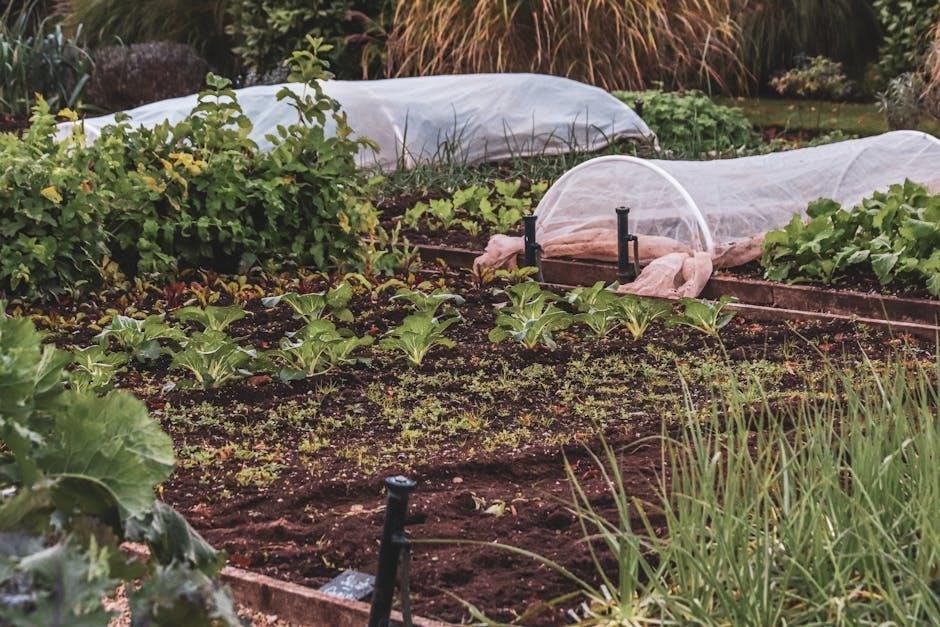
Key Companion Planting Charts & Resources (PDFs)
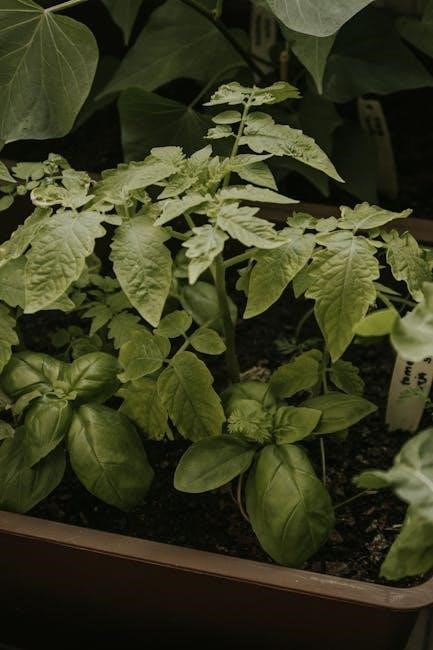
Numerous free PDF charts simplify companion planting! Explore resources from World Water Reserve, Sow Right Seeds, One Creative Mommy, and Almanac.com for guidance.
World Water Reserve Companion Planting Chart
The World Water Reserve offers a comprehensive companion planting chart, detailing beneficial and antagonistic relationships between a wide variety of vegetables. This resource is invaluable for gardeners seeking to optimize their yields and promote healthy plant growth through strategic pairings.

The chart clearly outlines which plants thrive when grown together, and conversely, which combinations should be avoided. It’s a fantastic tool for understanding how different vegetables impact each other’s growth, nutrient uptake, and pest resistance.
You can download the PDF version directly from their website at https://www.idepmedia.com/download/free-downloads/organic-gardening-and-farming. This chart was last updated on July 25, 2023, ensuring relatively current information for your gardening endeavors.
Sow Right Seeds Visual Companion Planting Chart
Sow Right Seeds provides a visually appealing and user-friendly companion planting chart, designed to simplify the process of determining which vegetables flourish when planted near each other. This chart emphasizes increasing yields and naturally reducing pest problems within your garden.
The chart’s visual format makes it easy to quickly identify compatible plant pairings, eliminating guesswork and promoting successful gardening outcomes. It’s a particularly helpful resource for beginner gardeners who are new to the concept of companion planting.
According to information available as of February 24, 2025, this chart is readily accessible and offers a clear overview of beneficial plant combinations. It’s a great starting point for planning your garden layout!
One Creative Mommy Free Printable Chart
One Creative Mommy offers a convenient, free printable companion planting chart, serving as an excellent guide for gardeners seeking to understand which plants thrive in proximity to one another. This resource simplifies the learning process, making companion planting accessible to all skill levels.
The chart is designed to be easy to read and understand, providing a quick reference for optimal plant pairings within your vegetable garden. It’s a practical tool for planning your garden layout and maximizing your harvest potential.

As of November 17, 2025, this printable chart remains a valuable resource for gardeners looking for a straightforward and readily available companion planting guide.
Almanac.com Companion Planting Guide
Almanac.com provides a comprehensive companion planting guide, detailing suitable plant combinations for a thriving vegetable garden. This online resource features a chart illustrating which crops benefit from being planted near each other, and conversely, which pairings to avoid.
The guide highlights examples like planting nasturtiums alongside netted cabbage, showcasing practical applications of companion planting principles. It’s a valuable tool for both beginner and experienced gardeners seeking to optimize their garden’s health and productivity.
Accessible through their website, this chart offers a wealth of information for creating a harmonious and bountiful garden ecosystem.
Companion Planting for Specific Vegetables
Specific vegetable companion planting, guided by charts and PDFs, reveals optimal pairings for tomatoes, cucumbers, carrots, lettuce, and beets for maximized growth.
Companion Plants for Tomatoes
Tomatoes thrive with strategic companions, as detailed in various companion planting charts and PDFs. Beneficial Companions for Tomatoes include basil, which reportedly improves tomato flavor and repels pests, and marigolds, known for their nematode-repelling qualities. Carrots also enhance tomato growth, while onions and garlic deter pests.
However, Plants to Avoid Planting Near Tomatoes are crucial to consider. Brassicas like cabbage, cauliflower, and broccoli can stunt tomato growth. Similarly, avoid planting tomatoes near fennel, potatoes, or corn, as these combinations can lead to reduced yields or increased susceptibility to disease. Utilizing a companion planting guide ensures a flourishing tomato harvest.
Beneficial Companions for Tomatoes
Basil is a celebrated companion for tomatoes, enhancing their flavor profile while simultaneously repelling common tomato pests like whiteflies and aphids. Marigolds, particularly French marigolds, are invaluable, releasing compounds into the soil that deter nematodes – microscopic worms harmful to tomato roots.
Carrots improve soil conditions benefiting tomato growth, and onions and garlic act as natural pest repellents, protecting against various insects and diseases. Companion planting charts, readily available as PDFs, consistently highlight these pairings. These beneficial relationships, when implemented, contribute to healthier, more productive tomato plants and a bountiful harvest.
Plants to Avoid Planting Near Tomatoes
Brassicas – encompassing cabbage, broccoli, and cauliflower – should be kept separate from tomatoes, as they compete for the same nutrients, hindering optimal growth for both. Fennel is also detrimental, releasing allelopathic chemicals that inhibit tomato development.
Potatoes are notorious for sharing blight and other diseases with tomatoes, increasing the risk of widespread crop failure. Companion planting charts, often found as downloadable PDFs, consistently advise against these combinations. Avoiding these antagonistic pairings ensures healthier tomato plants and maximizes yield potential, promoting a thriving garden ecosystem.
Companion Plants for Cucumbers
Cucumbers thrive when interplanted with marigolds, deterring cucumber beetles and nematodes. Nasturtiums act as a trap crop, drawing aphids away from the cucumbers, while radishes discourage cucumber beetles. Companion planting charts, readily available as PDFs from sources like Sow Right Seeds and Almanac.com, highlight these beneficial pairings.
Beans and corn provide a natural trellis for climbing cucumber varieties, maximizing space utilization. These synergistic relationships, detailed in downloadable guides, promote healthier cucumber growth and increased yields. Utilizing these companion planting strategies creates a robust and productive garden environment.
Best Companions for Cucumber Growth
Marigolds are exceptional companions, repelling cucumber beetles and nematodes – a key benefit detailed in companion planting charts. Radishes, planted alongside cucumbers, deter cucumber beetles, while nasturtiums act as a sacrificial trap for aphids. Beans and corn offer structural support, creating a natural trellis for vining cucumber varieties.
PDF guides from resources like World Water Reserve and Almanac.com visually demonstrate these pairings. Dill also attracts beneficial insects, aiding in pollination and pest control. These synergistic relationships, clearly outlined in downloadable charts, contribute to vigorous cucumber growth and abundant harvests.
Cucumber Planting – What Not to Mix
Avoid planting cucumbers near aromatic herbs like sage, as their strong scents can inhibit cucumber growth – a detail often highlighted in companion planting charts. Potatoes are also detrimental, potentially fostering blight and competing for nutrients. Similarly, brassicas (cabbage, broccoli) can hinder cucumber development.
PDF resources, such as those from Sow Right Seeds and One Creative Mommy, visually illustrate these antagonistic pairings. Avoid proximity to strong-smelling alliums (onions, garlic) as they can negatively impact cucumber flavor. Careful consideration of these incompatibilities, guided by available charts, ensures optimal cucumber yields and plant health.
Companion Plants for Carrots
Carrots benefit greatly from companion planting, as detailed in numerous charts and PDF guides. Onions and garlic are excellent partners, repelling carrot root flies – a common pest. Lettuce provides ground cover, retaining moisture and suppressing weeds. Rosemary and sage also offer protective benefits against carrot rust flies.
Resources like the World Water Reserve chart showcase these beneficial combinations. Marigolds are another valuable companion, deterring nematodes. Utilizing these pairings, as illustrated in visual guides from Sow Right Seeds, promotes healthier carrot growth and increased yields. Careful planning, informed by companion planting PDFs, is key.
Improving Carrot Growth with Companions

Companion planting significantly boosts carrot development, as demonstrated in various charts and downloadable PDFs. Onions, planted alongside carrots, deter the carrot root fly, preventing damage and promoting healthy root formation. Lettuce acts as a living mulch, conserving soil moisture crucial for carrot growth.
Rosemary and sage offer further protection against pests. The Almanac.com guide highlights these synergistic relationships. Marigolds, with their nematode-repelling properties, contribute to a healthier root environment. Utilizing these companion plants, detailed in resources like the World Water Reserve chart, leads to larger, sweeter carrots and improved overall yields.
Carrot Antagonistic Plants
Certain plants negatively impact carrot growth, a crucial detail found within companion planting charts and PDFs. Fennel is a strong antagonist, inhibiting carrot development and reducing yields. Dill, while beneficial to some, can hinder carrot growth if planted too closely.
Avoid planting carrots near Brassicas like cabbage and broccoli, as they compete for nutrients. The Sow Right Seeds visual chart clearly illustrates these incompatible pairings. Parsley can also stunt carrot growth. Understanding these antagonistic relationships, as outlined in resources like the World Water Reserve guide, is vital for maximizing your carrot harvest and ensuring a thriving garden.
Companion Plants for Lettuce
Lettuce benefits greatly from companion planting, as detailed in numerous charts and PDFs. Radishes are excellent companions, breaking up the soil and deterring pests, while maturing quickly before lettuce needs the space. Carrots also pair well, improving soil conditions.
Marigolds offer pest protection, and onions and garlic repel aphids. The Almanac.com guide highlights these beneficial combinations. Conversely, avoid planting lettuce near parsley or cabbage family plants. Utilizing a companion planting chart, like those from Sow Right Seeds, ensures optimal growth and a healthier lettuce crop.
Lettuce & Beneficial Neighbors
Radishes stand out as prime companions for lettuce, as indicated in companion planting charts; Their rapid growth loosens the soil, aiding lettuce root development, and they act as a trap crop for flea beetles. Carrots also contribute positively, improving soil structure and offering mutual benefits.
Marigolds, frequently recommended in guides like those from One Creative Mommy, deter nematodes and other pests. Chives and onions repel aphids, protecting delicate lettuce leaves. These pairings, readily found in downloadable PDFs from World Water Reserve, promote healthier, more productive lettuce harvests.
Lettuce & Plants to Keep Separate

Avoid planting lettuce near fennel, as this combination is generally discouraged in companion planting charts and guides like Almanac.com’s. Fennel inhibits lettuce growth, creating an unfavorable environment. Parsley, while a beneficial herb in many garden scenarios, can also hinder lettuce development if planted too closely.
Brassicas – such as cabbage and broccoli – should be kept at a distance, as they compete with lettuce for nutrients. Resources like Sow Right Seeds’ visual chart highlight these antagonistic relationships. Careful planning, utilizing downloadable PDFs, ensures optimal lettuce growth by avoiding these incompatible pairings.
Companion Plants for Beets
Beets benefit greatly from companion planting, enhancing both their growth and the surrounding ecosystem. According to various companion planting charts, including those from World Water Reserve, chicory and endive are excellent partners, promoting healthy beet development. Onions are particularly valuable, offering protection against beet borers and cutworms, a common gardening challenge.
Beets also contribute positively to the soil, adding valuable minerals. Utilizing a companion planting PDF guide allows gardeners to strategically plan layouts for maximum benefit. Remember to consult resources like Almanac.com for comprehensive compatibility information.
Beets: Companions for Soil Health
Beets are renowned for their positive impact on soil health, making them valuable companions in the garden. As detailed in companion planting charts and PDFs – like those from World Water Reserve and One Creative Mommy – beets actively contribute minerals back into the soil as they grow. This natural fertilization benefits neighboring plants, creating a more robust and thriving garden ecosystem.
Pairing beets with plants that have different nutrient needs creates a synergistic relationship. Utilizing a visual companion planting chart, such as Sow Right Seeds provides, helps optimize this benefit. This improves overall garden productivity and reduces the need for external fertilizers.
Beet Planting – Negative Interactions
While beets offer numerous benefits, certain plant pairings can hinder their growth, as highlighted in various companion planting charts and PDFs. Specifically, avoid planting beets near pole beans, as they can inhibit beet development. Information from resources like Almanac.com’s companion planting guide emphasizes this antagonistic relationship.
Furthermore, beets don’t thrive when planted close to mustard greens. Utilizing a comprehensive chart, such as the one offered by World Water Reserve, reveals these potential conflicts. Careful planning, guided by these resources, ensures optimal beet yields and a harmonious garden environment, preventing competition for resources.
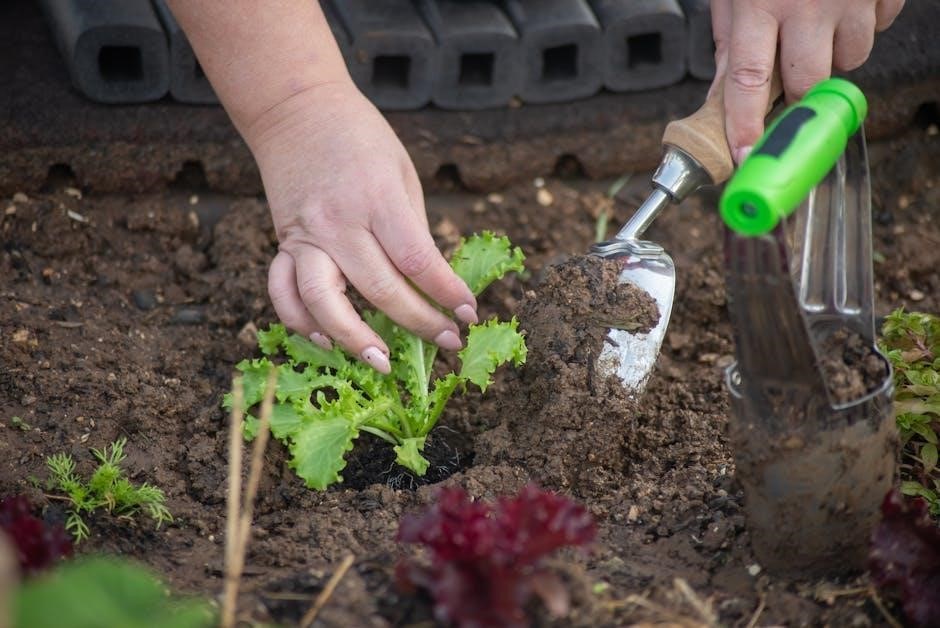
Utilizing Companion Planting Charts Effectively
Companion planting charts, often available as PDFs, are invaluable tools for gardeners; understanding their layout and adapting them to your space is key.
Reading and Interpreting Companion Planting Charts
Companion planting charts, frequently found as downloadable PDFs from sources like Almanac.com and Sow Right Seeds, utilize a grid or table format. These charts typically list vegetables across the top and down the side, indicating compatibility with symbols or color-coding.
A green checkmark or positive notation signifies beneficial pairings – plants that enhance each other’s growth or offer pest protection. Conversely, a red ‘X’ or negative symbol denotes antagonistic relationships, where plants hinder each other.
Understanding these symbols is crucial. Charts from World Water Reserve detail both companion and antagonistic plants. Remember to consider the specific needs of each vegetable when interpreting the chart; a visual guide, like those from Sow Right Seeds, can be particularly helpful for beginners.
Creating Your Own Companion Planting Plan
Developing a personalized plan begins with assessing your garden space and desired vegetables. Utilize companion planting charts – PDFs from sources like One Creative Mommy offer beginner-friendly layouts – to identify beneficial pairings.
Start by listing your chosen vegetables and referencing the chart to determine compatible neighbors. Consider factors like sunlight requirements and growth habits. For example, taller plants shouldn’t shade shorter ones.
Sketch a garden layout, grouping compatible plants together. Don’t be afraid to adapt charts; your local climate and soil conditions may influence success. Regularly consult resources like Almanac.com for specific guidance and refine your plan as you observe your garden’s progress.
Adapting Charts to Your Garden Space
Companion planting charts, even detailed PDFs like those from World Water Reserve, are guidelines, not rigid rules. Your garden’s unique conditions demand adaptation. Assess your space – size, sunlight exposure, and soil type – before implementing a plan.
Smaller gardens may require prioritizing the most impactful pairings. Limited sunlight might necessitate choosing companions tolerant of shade. Consider vertical gardening to maximize space, pairing climbing cucumbers with sturdy tomatoes.
Local pest pressures also influence choices. Observe your garden and adjust accordingly. Don’t hesitate to experiment; successful companion planting is a learning process, informed by observation and available resources.
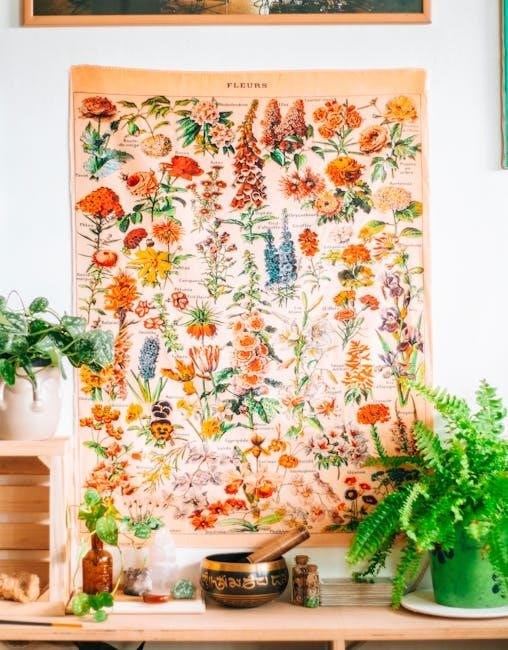
Advanced Companion Planting Techniques
Beyond basic charts, explore herb integration (like oregano for pest control) and succession planting alongside companion pairings for maximized garden benefits.
Using Herbs as Companion Plants (Oregano Example)
Herbs offer potent benefits when integrated into companion planting strategies, extending beyond simple vegetable pairings detailed in charts and PDFs. Oregano, for instance, possesses remarkable insecticidal properties, naturally deterring pests that commonly plague vegetable gardens.
Planting oregano near susceptible crops like cabbage or broccoli can significantly reduce infestations, minimizing the need for chemical interventions. This aligns with organic gardening principles promoted by resources like the World Water Reserve chart. Furthermore, the strong scent of oregano can mask the aroma of the vegetables, confusing pests and further protecting your harvest.
Consider interplanting oregano throughout your garden beds, or creating borders around vulnerable plants to maximize its protective effects. Utilizing herbs elevates companion planting from a basic technique to a sophisticated, ecologically-sound gardening practice.
Companion Planting for Pest Control
Companion planting charts, readily available as PDFs, are invaluable tools for natural pest management in vegetable gardens. Strategic plant combinations can deter harmful insects, reducing reliance on pesticides.
For example, nasturtiums, often featured in guides like Almanac.com’s, act as trap crops, attracting aphids away from more valuable vegetables like cabbage. Similarly, onions, mentioned in various charts, protect beets from borers and cutworms. Marigolds are renowned for repelling nematodes and other soil pests.
By carefully selecting companion plants based on these resources, gardeners can create a self-regulating ecosystem, fostering beneficial insect populations and minimizing pest outbreaks. This proactive approach enhances garden health and productivity.
Succession Planting & Companion Planting Combination
Combining succession planting with companion planting, guided by readily available charts and PDFs, maximizes garden space and yield throughout the growing season. Succession planting involves staggering planting times, while companion planting focuses on beneficial plant pairings.

For instance, after harvesting early lettuce – information found in companion planting guides – plant a companion crop like beets, utilizing the freed space. Charts from sources like Sow Right Seeds visually demonstrate these synergistic relationships.
This integrated approach ensures continuous harvests and optimizes resource utilization. By strategically planning both planting schedules and plant combinations, gardeners can create a thriving, productive, and resilient vegetable garden.